 English
 Deutsch
 Español
Norway’s Conservative Party Calls for an End to Gambling Monopoly
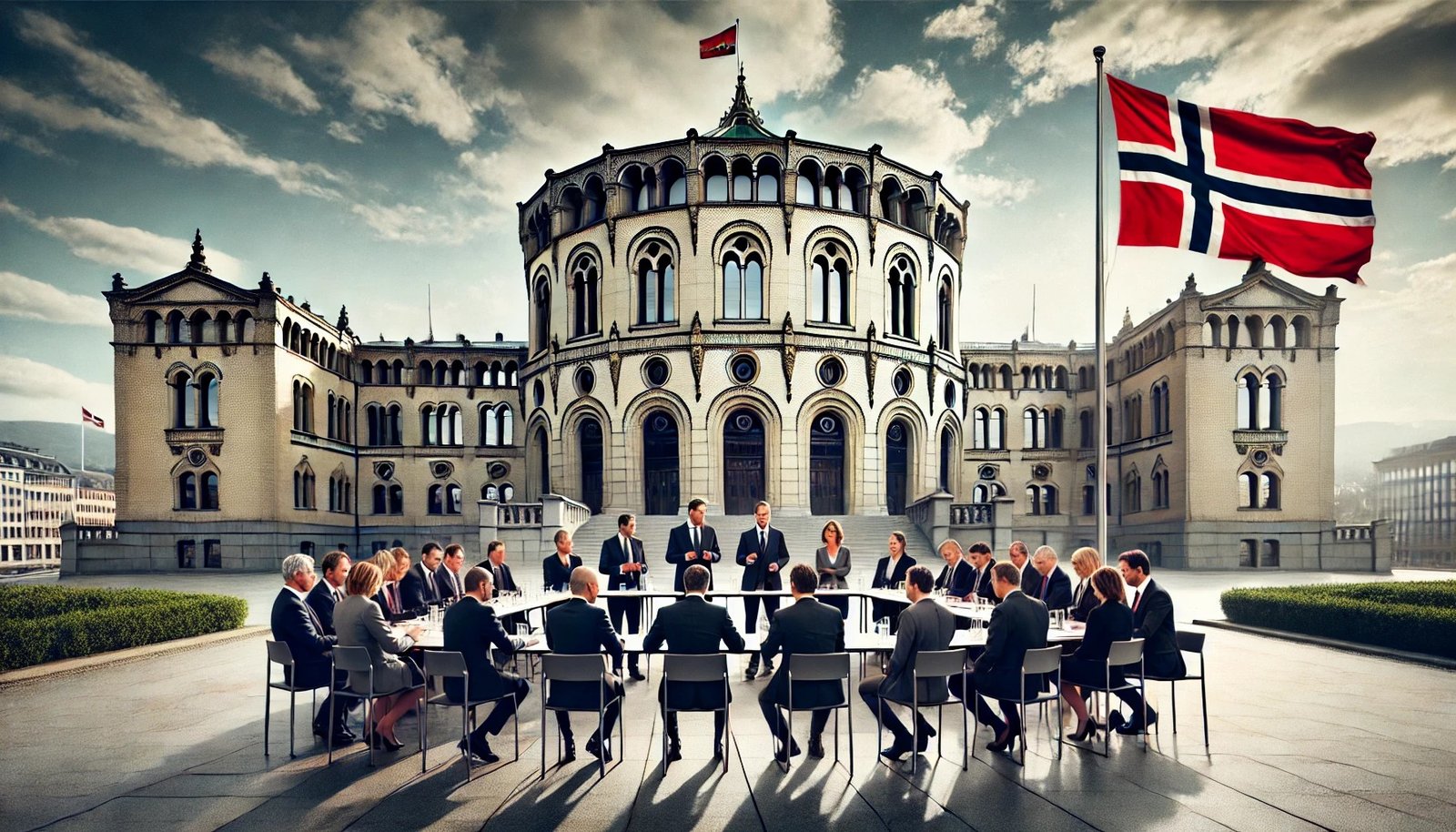
Norway’s Conservative Party (Høyre) has called for an end to the country’s gambling monopoly in its latest party manifesto. The gambling trade body NBO believes that this support could lead to a liberalized market by 2028.
Norway’s Unique Position in Scandinavia
Currently, Norway is the last Scandinavian country maintaining a gambling monopoly. Finland’s recent decision to liberalize its online market in July has sparked political interest in Norway to consider similar regulatory changes.
Presently, gambling in Norway is only legally provided by state monopolies Norsk Tipping and Norsk Rikstoto, covering physical slots, lottery, online gambling, sports betting, and horse racing.
A Policy Shift in the Conservative Party
The new policy, outlined in the Conservative Party’s September 9 election manifesto, is championed by a committee of candidates, including Magnus Mæland, Ola Svenneby, Tage Pettersen, and Anita Oterhals Eide. The policy suggests replacing the current exclusive rights model with a licensed system to increase state revenues and provide greater support for those struggling with problem gambling. The policy indicates that arrangements and framework conditions could be investigated based on experiences from neighboring countries like Sweden, Denmark, and Finland.
This policy shift replaces the Conservatives’ previous stance from 2021, which supported preserving the gambling monopolies.
Political Landscape and Party Views
The Conservative Party is the second-largest in Norway’s parliament, holding 36 out of 169 seats and securing 20.6% of the vote in the 2021 general election. With the next general election slated for September 8, 2025, political parties have already released their initial manifestos, which will undergo public consultation before being presented to the national assembly.
Currently, the Labour Party, which governs Norway, supports the gambling monopoly system. In coalition with the Centre Party, they hold a small majority of 48 seats. Meanwhile, the Progress Party, with 21 seats, also called for abolishing the monopoly in its 2021 manifesto, aiming to introduce a licensing scheme for sports and entertainment games, similar to neighboring countries. The Liberal Party has indicated it will review gambling regulations to address addiction in its 2025 manifesto.
Optimism for a Liberalized Market
Carl Fredrik Stenstrøm, general-secretary of the gambling trade body Norsk Bransjeforening for Onlinespill (NBO), expressed optimism about the potential for a licensed gambling market. He stated, “Everyone in Norway understands it is a matter of time before the market is liberalized.” Stenstrøm noted that Sweden’s regulation of its market did not result in an increase in problem gambling, alleviating some policymakers’ concerns. He believes that a cross-party consensus could result in the market opening and anticipates a liberalized online gambling sector by 2028.
In September 2023, the European Gaming and Betting Association (EGBA) also urged Norway to switch to a licensing model to address issues like consumers gambling on unlicensed sites.

